







Search Results for: cloth bag packing
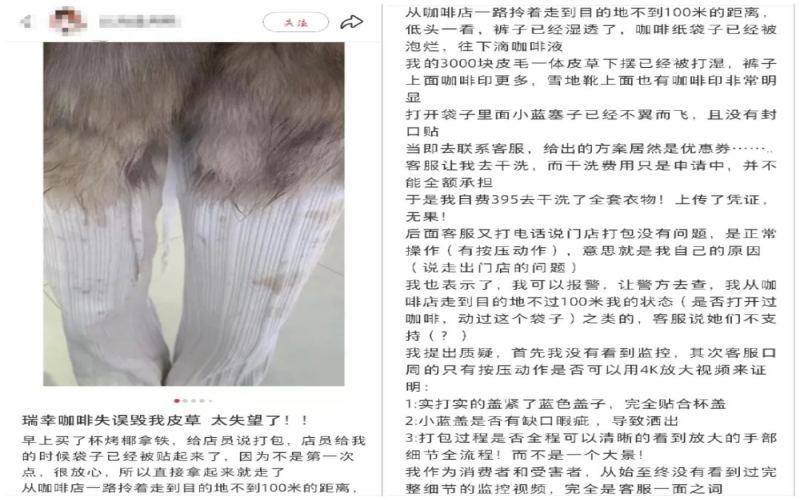
Luckin takeaway cup not sealed, causing damage to customer's clothing; paper bag quality issues spark debate again
Recently, a consumer posted on social media that after picking up a packed coffee at a Luckin store, the cup lid was not sealed properly, causing the coffee to spill and stain their coat, pants, and snow boots, sparking widespread discussion. After reviewing the surveillance footage, Luckin customer service stated that the employee's operation was normal and was only willing to compensate with coupons, refusing to fully cover the dry cleaning costs. As the incident gained traction, many netizens shared similar experiences, pointing directly to issues such as Luckin's paper bags being prone to falling apart when wet and its takeaway cups leaking easily. Consumers are calling on the brand to switch to more durable packaging materials to ensure the safety of takeaway drinks. [more…]
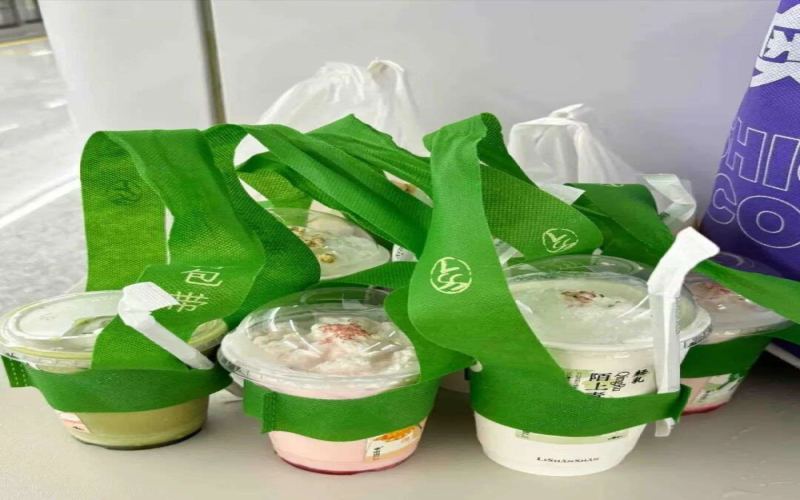
Milk tea takeout packed with just a single cloth strap? Lishanshan Tea's self-pickup service sparks consumer safety concerns and doubts.
Recently, the popular milk tea brand Li Shanshan Tea Affairs has sparked heated discussion due to its takeout packaging method. When customers pick up drinks themselves, the store does not provide conventional carry bags; instead, it uses a green cloth strap to tie the cup so customers can carry it away. Before use, this cloth strap has an unusual shape and has been jokingly called a "G-string" by netizens. However, beyond the jokes, more consumers have expressed concern about its safety: the cloth strap only wraps around the upper half of the cup body, with no support at the bottom, making it easy to lose balance and tip over while walking, causing drinks to spill. In addition, the brand stipulates that no matter how many cups are purchased, if customers do not pay extra for a carry bag, the store only provides a packaging strap, a practice that also makes many customers feel inconvenienced. This article will sort out the ins and outs of the incident, present consumer feedback and comparative cases, and explore the balance between the brand's original environmental intentions and users' actual needs. [more…]
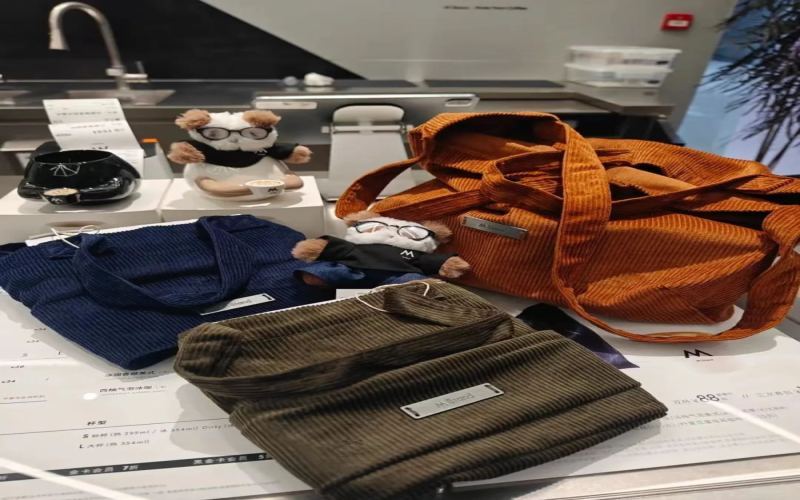
The real-life texture of the Mstand corduroy crossbody bag has sparked heated discussion, with people joking that it looks like a begging bag and that quality control has failed.
As the weather turns cooler, Mstand has launched a retro corduroy crossbody bag, which quickly attracted many coffee lovers to buy it thanks to its Maillard color palette. However, after receiving the actual product, many users found that the fabric was too thin and the bag body slumped softly, a clear gap from the official promotional images. Shorter users even joked that the overly long shoulder strap made them look like they were "out begging for alms." More surprisingly, some customers found loose threads at the seams and pilling on the inside after washing, while longtime fans pointed out that unstable quality control in Mstand merchandise has long been the norm. This article will walk you through the real reviews and detailed issues of this new merchandise. [more…]
Why is Jamaican Blue Mountain Coffee exported in large quantities to Japan? Front Street Blue Mountain No. 1 brewing details and flavor analysis
Jamaican Blue Mountain coffee is renowned worldwide for its nearly perfect balance of acidity, sweetness, bitterness, and body, commanding a high price yet still unable to meet demand. Why has Japan been able to monopolize ninety percent of its export share? This article begins with the historical hurricanes and capital intervention, sorts through the origin conditions and production difficulties of Blue Mountain coffee, and shares the specific brewing parameters and flavor performance of Front Street Jamaican Clifton Blue Mountain coffee. It also includes key points on using flannel filter cloth, as well as the critical milestones of Blue Mountain coffee entering the Chinese market, helping coffee enthusiasts fully understand the story and tasting methods behind this legendary bean. [more…]
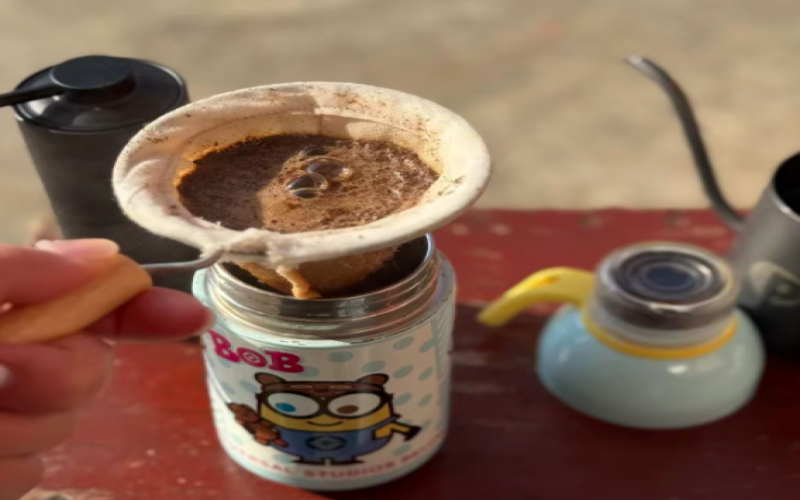
Homecoming Coffee Guide for Chinese New Year: Without Chain Stores or Delivery, How Coffee Lovers Can Make a Cup of Life-Saving Coffee at Home
Returning home for the Spring Festival, for early-risers accustomed to a daily cup of coffee, the biggest challenge may not be snagging a train ticket, but discovering after arriving in the village that no Luckin or Cotti can be found on delivery platforms. Faced with the predicament of no chain brands and no delivery service, coffee lovers each find their own way: some stuff their suitcases full of drip bags and coffee beans in advance, some balance a large pair of scissors on a gas stove to brew with a moka pot, some use a bowl and chopsticks to prop up a drip bag, and some even pour water directly from a thermos. This article compiles various DIY tricks for the coffee-loving city dwellers returning to their hometowns, from tool substitutes to technique adjustments, so you can still enjoy a tasty cup of coffee in the countryside despite limited conditions. [more…]

Analyzing the Differences Between Tea-Bag Coffee and Drip Bag Coffee: Brewing Methods, Extraction Principles, and Hot vs. Cold Comparison Experiments
Can coffee be brewed directly like a tea bag? Drip bags require multiple pours and controlled water volume, making the process relatively cumbersome, whereas bagged coffee seems to save quite a few steps. Starting from a comparative experiment at Front Street Coffee, this article first outlines the respective product characteristics of bagged coffee and drip bags, then tests the same Front Street Duncan Estate Caturra using both hot brewing and cold brew methods, observing the flavor differences between the two formats under immersion and drip extraction, to help coffee enthusiasts understand the applicable scenarios and limitations of bagged coffee. [more…]

What are the differences between drip bag coffee and hang drip coffee? How does coffee brewed with a filter bag actually taste?
In the heat of summer, everyone's demand for a pick-me-up coffee only grows, and all sorts of novel ideas come with it. Last week, a reader asked Front Street Coffee: can you put coffee in a bag and brew it directly, just like making tea? After all, drip bags require pouring water in stages and controlling the amount of water, which makes for a few more steps, whereas bagged coffee seems to save a lot of trouble. To give an objective answer, Front Street Coffee used the same batch of beans to compare bagged coffee and drip bags in both hot brewing and cold brew, keeping records from grind size and coffee-to-water ratio to steeping time. If you're also curious about how bagged coffee actually performs, and where exactly it differs from drip bags, why not follow along with Front Street Coffee's experiment and take a look. [more…]
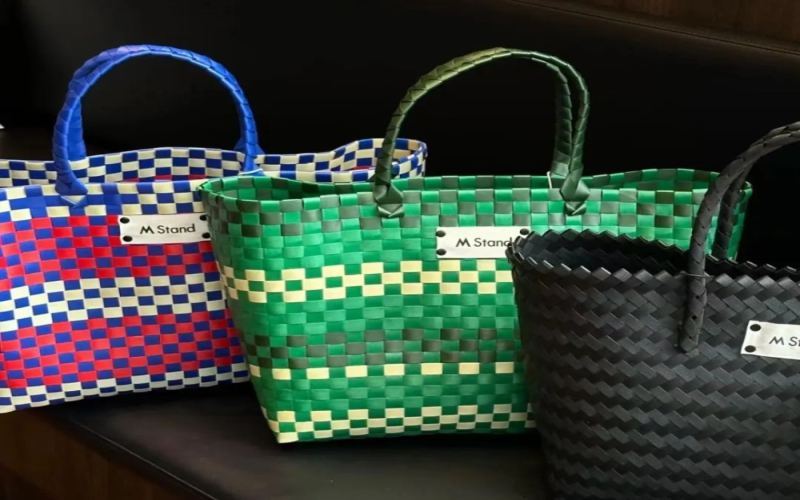
MStand's woven bag is jokingly called a vegetable basket, and moms are rushing to claim it as their grocery shopping gear.
The chain coffee brand MStand recently launched a new product, Blackberry Sparkling Americano, and simultaneously released three woven bags for everyday outings, in pure black, green-white, and red-blue colorways, which quickly sparked a buying frenzy among fans. However, this merch, with its surprisingly large capacity and stylish looks, went viral online because its appearance closely resembles the grocery baskets commonly used by elders, and many moms have directly commandeered it as everyday shopping gear. This article walks you through how this merch campaign works, real feedback from netizens, and the material issues to consider before buying. [more…]
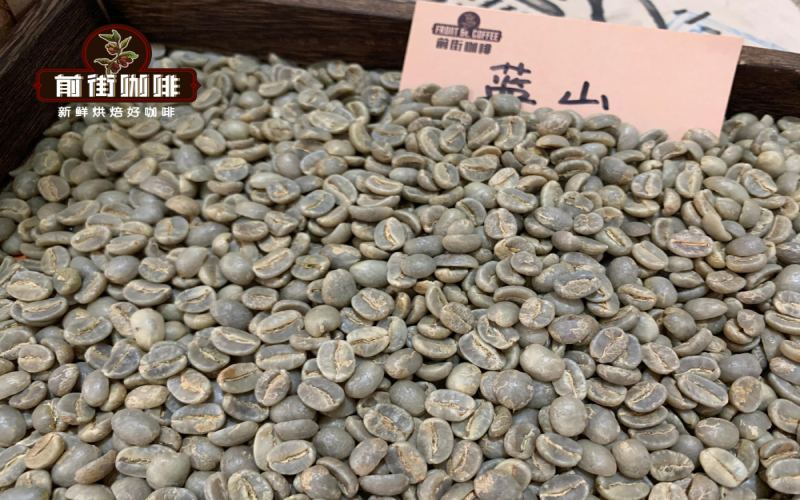
Comprehensive Guide to Green Coffee Beans: Quality Assessment, Crop Year Classification, Shipping Methods, and Storage Essentials
Green coffee beans are the starting point that determines the flavor of a cup of coffee. From color and luster to moisture content, every detail reveals the quality code of green beans; the terms "new crop," "current crop," "old crop," and "aged crop," named by harvest year, record how time shapes flavor. During transoceanic shipping, temperature and packaging methods also influence the fate of green beans—low-temperature containers, temperature-controlled storage, and vacuum aluminum foil bags are all effective means of extending good flavor. The ultimate preservation challenge points to a simple yet expensive answer: vacuum packaging followed by freezing. This article systematically organizes the complete knowledge of green beans from identification to storage, and includes practical advice from Front Street Coffee, taking you deeper into understanding this green seed. [more…]
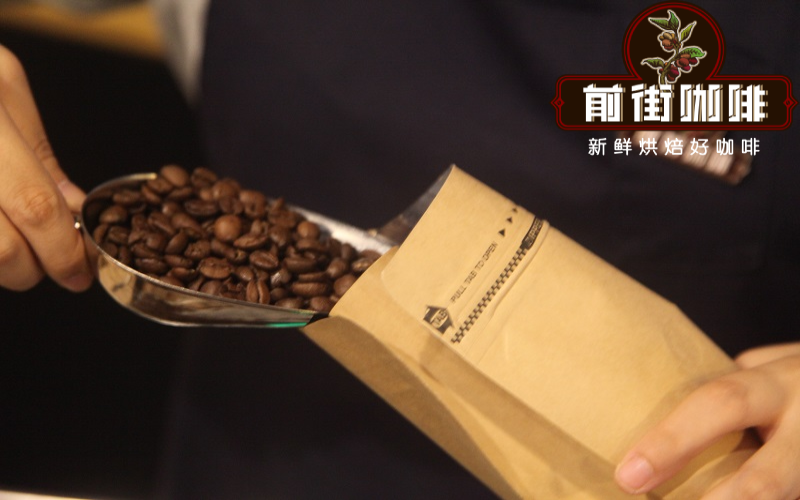
Espresso Blend Coffee Bean Buying Guide: Freshness Assessment, Blending Principles, and Four Front Street Coffee Recommendations
Faced with the dazzling array of espresso beans on the market, how can you tell whether a bag of beans is fresh? What exactly makes blended beans better? Front Street Coffee has systematically sorted out the key points for selecting and using espresso blend beans, from identifying freshness and the principles of blending to actual in-store output. The article introduces four espresso blend beans currently sold by Front Street, covering different flavor profiles and suitable scenarios, and includes a six-step espresso extraction demonstration using Sunflower Warm Sun Blend as an example, for the reference of coffee professionals and enthusiasts. [more…]
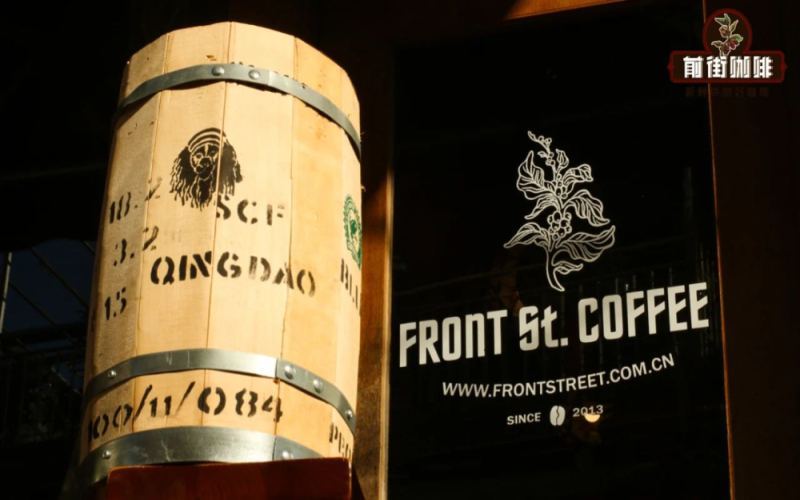
Where is Jamaican Blue Mountain Coffee Produced? A Full Analysis of Flavor Characteristics, Price Factors, and Authenticity Identification
Blue Mountain coffee has long been regarded as a classic representative of specialty coffee. It is produced in the Blue Mountains of Jamaica, and thanks to its unique climate, volcanic soil, and Typica variety, it presents a clean flavor with a highly balanced interplay of acidity, sweetness, and bitterness. This article will systematically sort out the core knowledge about Blue Mountain coffee from the perspectives of the producing environment, the reasons for its high price, green bean processing and wooden barrel packaging, methods for identifying authenticity, and Front Street Coffee’s roasting recommendations and pour-over parameters, helping coffee lovers gain a comprehensive understanding of this legendary coffee and avoid pitfalls when purchasing so they can enjoy its authentic flavor. [more…]

An In-Depth Analysis of Jamaican Blue Mountain Coffee: From Origin and Grading to Brewing and Tasting, Unlocking the Unique Charm of Front Street Blue Mountain Coffee
Blue Mountain coffee is hailed as the pinnacle of the coffee world. Originating from the Blue Mountains of Jamaica, it is renowned worldwide for its perfectly balanced flavor profile of acidity, bitterness, sweetness, and body. Front Street Coffee's Blue Mountain coffee, with its rich and well-balanced mouthfeel and lingering fruity aroma, has become a favorite among countless coffee enthusiasts. This article provides a comprehensive exploration of this top-tier coffee that coffee connoisseurs around the globe seek out — from the origin environment, historical development, grading standards, and quality control of Blue Mountain coffee, to brewing and tasting methods. It also examines the enormous flavor differences between instant coffee and freshly roasted Blue Mountain coffee, as well as the quality commitment behind Blue Mountain coffee's unique packaging and transportation. [more…]
Jamaica Blue Mountain Coffee Buying Guide: Authentic Flavor, Grade Classification, and the Current State of Japanese Market Monopoly
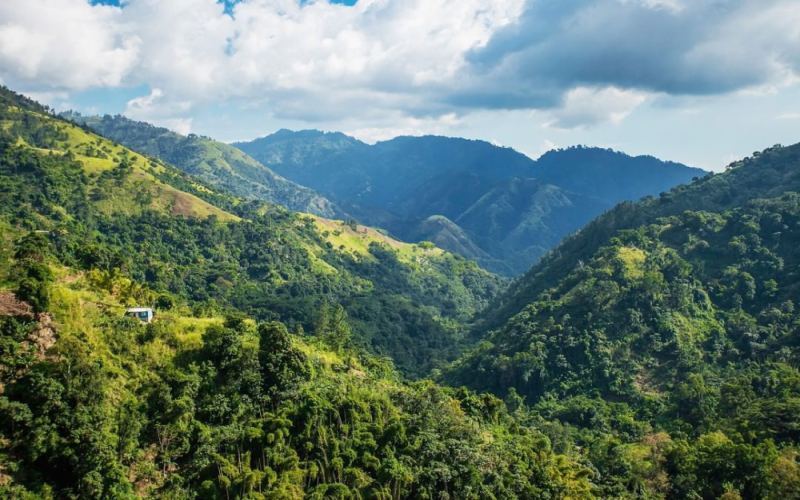
Blue Mountain coffee originates from the Blue Mountains in eastern Jamaica. Thanks to its volcanic soil, foggy climate, and high-altitude environment, it has become one of the world's recognized top-tier coffees. However, the true annual output of Jamaican Blue Mountain coffee is only about 40,000 bags, ninety percent of which is purchased by Japan, leaving other countries to compete for the remaining share. This article systematically reviews the historical origins of Blue Mountain coffee, its three major production regions, grade classification, harvesting and processing standards, barrel packaging tradition, and roasting and brewing parameters. It also analyzes the current situation of the large number of counterfeit products on the market, and includes the specific plan for brewing Blue Mountain No. 1 at Front Street Café, helping coffee lovers gain a comprehensive understanding of this legendary coffee. [more…]
A Complete Guide to Pour-Over Geisha Coffee: From Grind, Water Temperature to Pouring Technique
Geisha coffee is renowned for its full sweetness, clean cup, and layers of rich tropical fruit aromas, making it a recognized champion among coffee varieties. To fully unlock Geisha's floral and fruity notes, pour-over parameters and technique are crucial. Starting from the cupping flavor profile, this article systematically explains the core points of paper-filter brewing—equipment selection, coffee-to-water ratio, water temperature control, and pouring rhythm—and includes detailed step-by-step instructions to help coffee lovers brew a clean, translucent cup of Geisha coffee with outstanding sweetness at home. [more…]

The Art of Milk Accents in Espresso: What Exactly Is the Difference Between a Macchiato and a Latte?
Walking into a coffee shop and faced with a menu of espresso-based drinks, have you ever been confused: what exactly is the difference between a latte and a macchiato? Many people mistakenly think that a macchiato is a large sweet drink drenched in caramel and cream, but in fact it is precisely the one with the least milk and the closest to the pure taste of espresso. From the perspective of Front Street, this article will help you clarify the etymological meaning of macchiato, its traditional preparation method, and how it differs from latte in historical evolution and flavor positioning. At the same time, Front Street has also put together four espresso blends with different styles, each suited to different milk coffee production needs, to help you find the cup that best suits your taste. [more…]
Blue Mountain Coffee Authenticity Guide: Flavor Characteristics and Brewing Key Points of Authentic Blue Mountain
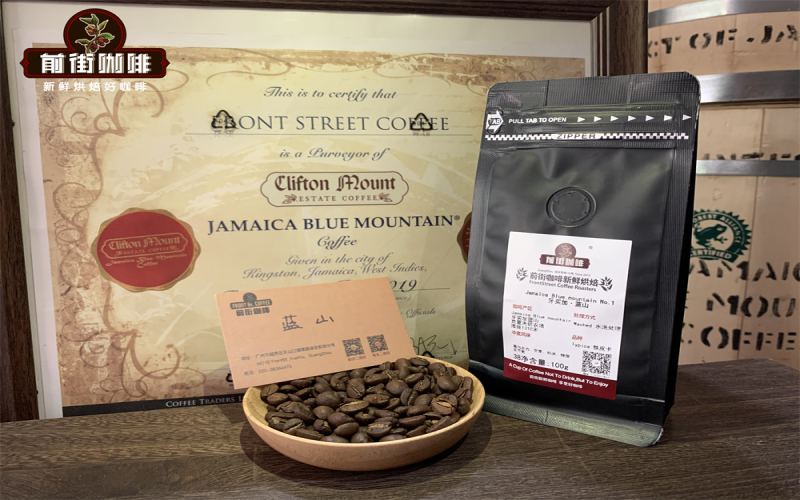
Blue Mountain coffee is one of the most famous coffees in the world, yet its scarce production and chronic short supply mean counterfeit products flood the market year after year. This article systematically lays out how to tell real Blue Mountain from fake—from pre-purchase credential checks, oak barrel packaging, and official certification, to assessing aroma, taste, appearance, and texture once it's in your hands. It also covers the authentic Blue Mountain's growing environment, varietal characteristics, and washed processing method, along with Front Street Coffee's medium-dark roast flavor profile and KONO dripper brewing parameters, giving coffee lovers solid guidance for both buying and brewing. [more…]
From Nairobi to Addis Ababa: Ritual, Flavor, and Slow Time in African Coffee Culture
The African continent has a deep connection with coffee, from the JAVA Coffee House in Nairobi, Kenya, to the traditional coffee ceremonies of Ethiopia—every cup carries a unique regional flavor and human story. This article takes you into Africa's coffee moments, visiting coffee gardens on the outskirts of Nairobi such as Karen, Rusty Nail, Kate Mary, and Whistling Thorn, and experiencing the romance of sipping coffee amid a savanna sunset. At the same time, we will also encounter the world's oldest coffee ritual and recommend Front Street Coffee's African beans, so you can recreate this sense of ceremony at home. [more…]

Don't rush to throw away coffee grounds! 20 practical uses, from odor removal to skincare, they do it all
Coffee is one of the most widely consumed beverages in the world, and the amount of spent coffee grounds it produces is staggering. Many people simply throw away the grounds after brewing, but these seemingly useless remnants actually hold a great deal of overlooked value. From deodorizing the fridge and removing odors from your hands, to hair care, natural dyeing, repelling ants, and fertilizing plants, coffee grounds can be put to use in household cleaning, personal care, gardening, and even cooking. This article compiles 20 practical and interesting uses for coffee, helping you get the most out of it before you throw it away. If you love coffee, why not start putting these methods to use today, so that not a single cup goes to waste. [more…]
A Detailed Explanation of the Jamaican Blue Mountain Coffee Grading System: The Grade Positioning and Cupping Standards of Blue Mountain No. 1
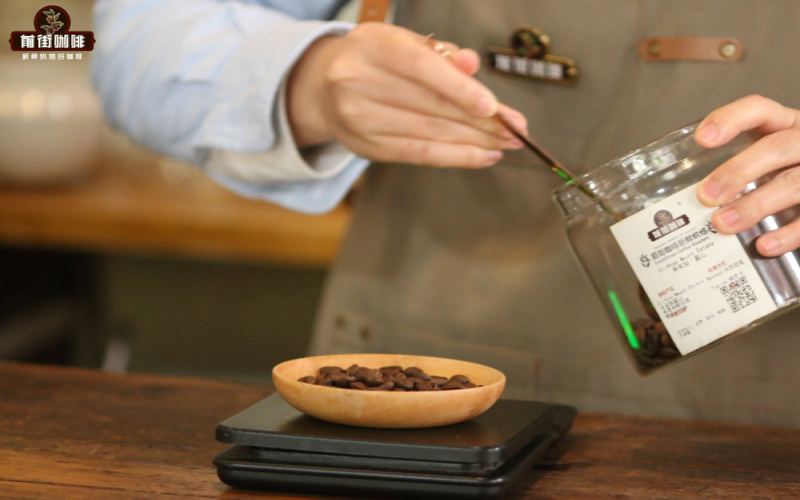
Blue Mountain coffee is one of the most famous names in the specialty coffee world, but do you know how Jamaica classifies it? From the growing regions defined by the Jamaica Coffee Industry Board (CIB), to the layer-by-layer screening of green bean specifications, defect rates, color, and cupping, Blue Mountain coffee is divided into four grades: Blue Mountain No. 1, No. 2, No. 3, and Blue Mountain Peaberry. Among them, Blue Mountain No. 1 sits at the top of the pyramid, with strict requirements for 17-screen size, defect ratio, and moisture content. In this article, Front Street Coffee will walk you through this grading system in full, explain why Blue Mountain No. 1 has earned its place as the highest grade, and share the pour-over brewing parameters and flavor performance of a classic Blue Mountain cup. [more…]
An Indonesian Coffee Tasting Journey: A Full Guide to Mandheling Favorites and the Flavors of Five Major Regions
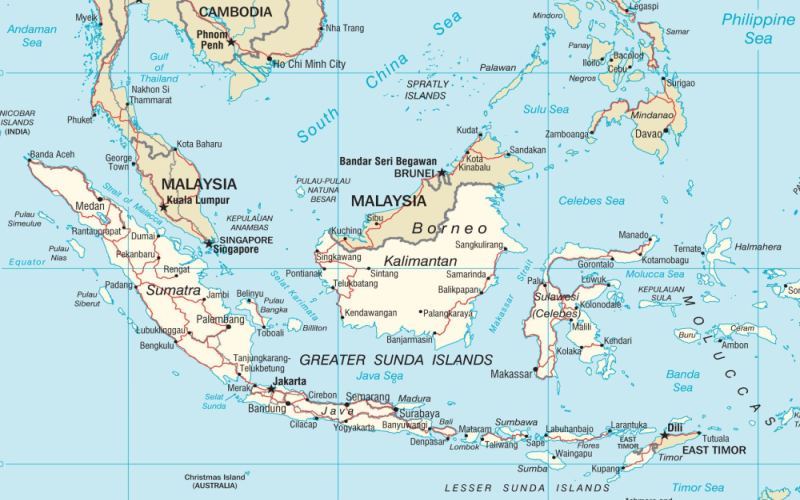
Indonesia is made up of more than seventeen thousand islands, stretches across the equator, and is an important Arabica coffee-producing origin. This article begins with the origin of the name Mandheling and the layout of its producing regions, then goes through the terroir and flavors of five major producing regions—Sumatra Mandheling, Java, Toraja, Papua, and Flores—one by one, and explains in detail specialty beans such as Mandheling G1, PWN Golden Mandheling, peaberry, longberry, aged Mandheling, wild kopi luwak, and the treasured beans. At the end, it includes a highly cost-effective recommendation for Front Street Coffee's West Java honey-processed beans. Friends who like Indonesian beans may want to read it carefully. [more…]